Rootstock selection is the single most important decision in orchard establishment. The wrong choice can limit productivity for the entire life of the planting.
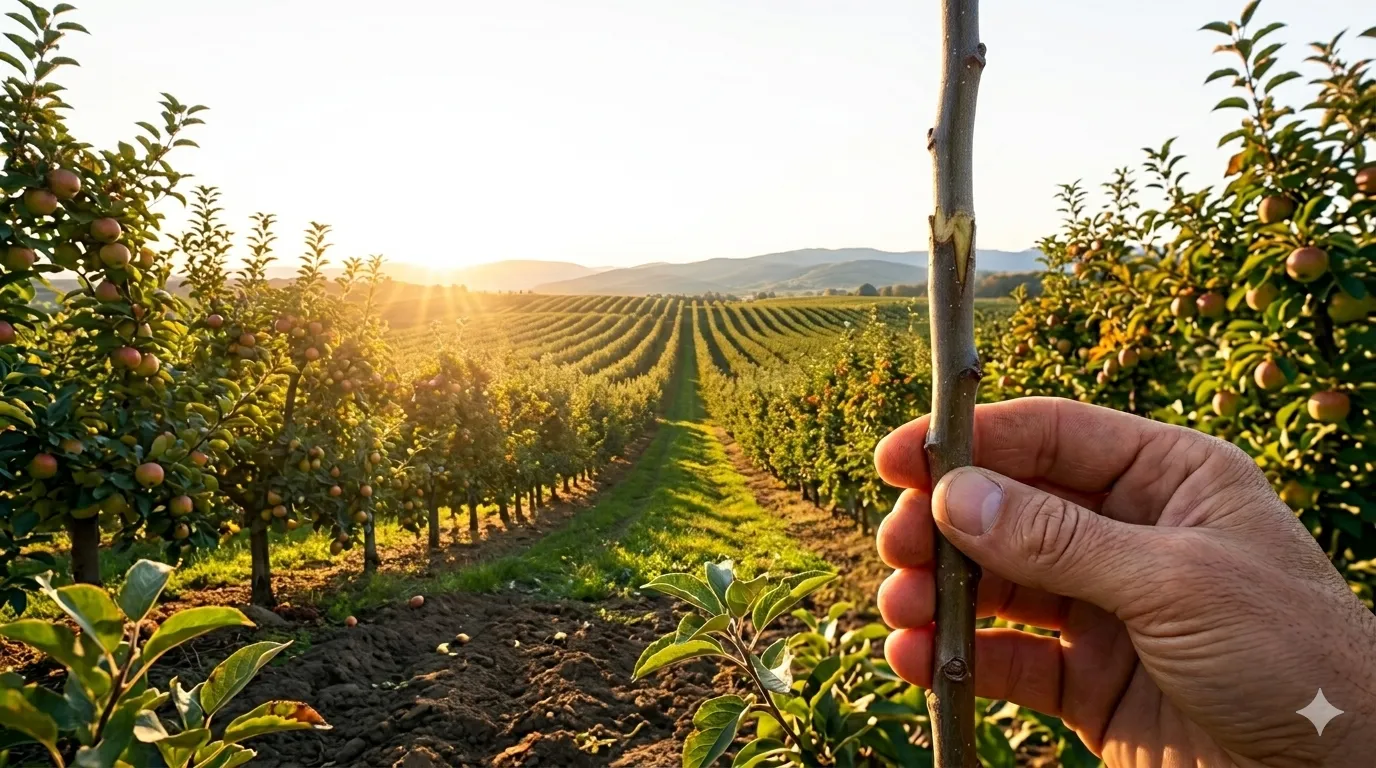
Of all the decisions involved in establishing a fruit orchard, rootstock selection may be the most consequential. Unlike variety choice — which can be adjusted over time through topworking — the rootstock is a permanent structural commitment. Getting it right means decades of productive harvests. Getting it wrong means fighting the land from the first year.
Understanding Rootstock Vigor Classes
Rootstocks are broadly classified by the vigor they impart to the scion variety. Dwarfing rootstocks like M9 T337 produce compact trees reaching 2.5–3 meters in height, ideal for high-density plantings of 2,000–4,000 trees per hectare. They demand good soil, irrigation, and permanent support structures, but they reward that investment with early bearing — often in year two — and high fruit quality due to excellent light penetration into the canopy.
Semi-dwarfing rootstocks such as MM106 and M26 produce trees of 4–5 meters, suitable for medium-density systems. They are more forgiving of variable soil conditions and can be grown without permanent staking after establishment, making them popular for mixed orchards and smaller operations.
Soil Conditions Determine Rootstock Fitness
Sandy, well-drained soils favor dwarfing rootstocks, which can be fully exploited under irrigation. Heavy clay soils, prone to waterlogging, demand rootstocks with good tolerance for wet feet — here MM111 or specific Malling series selections are often preferred.
Soil pH also matters. Replant disease — a complex of soil pathogens that suppress tree establishment — is a growing concern in older orchard regions. In these situations, resistant or tolerant rootstocks can mean the difference between a successful replanting and chronic decline.
What We Recommend
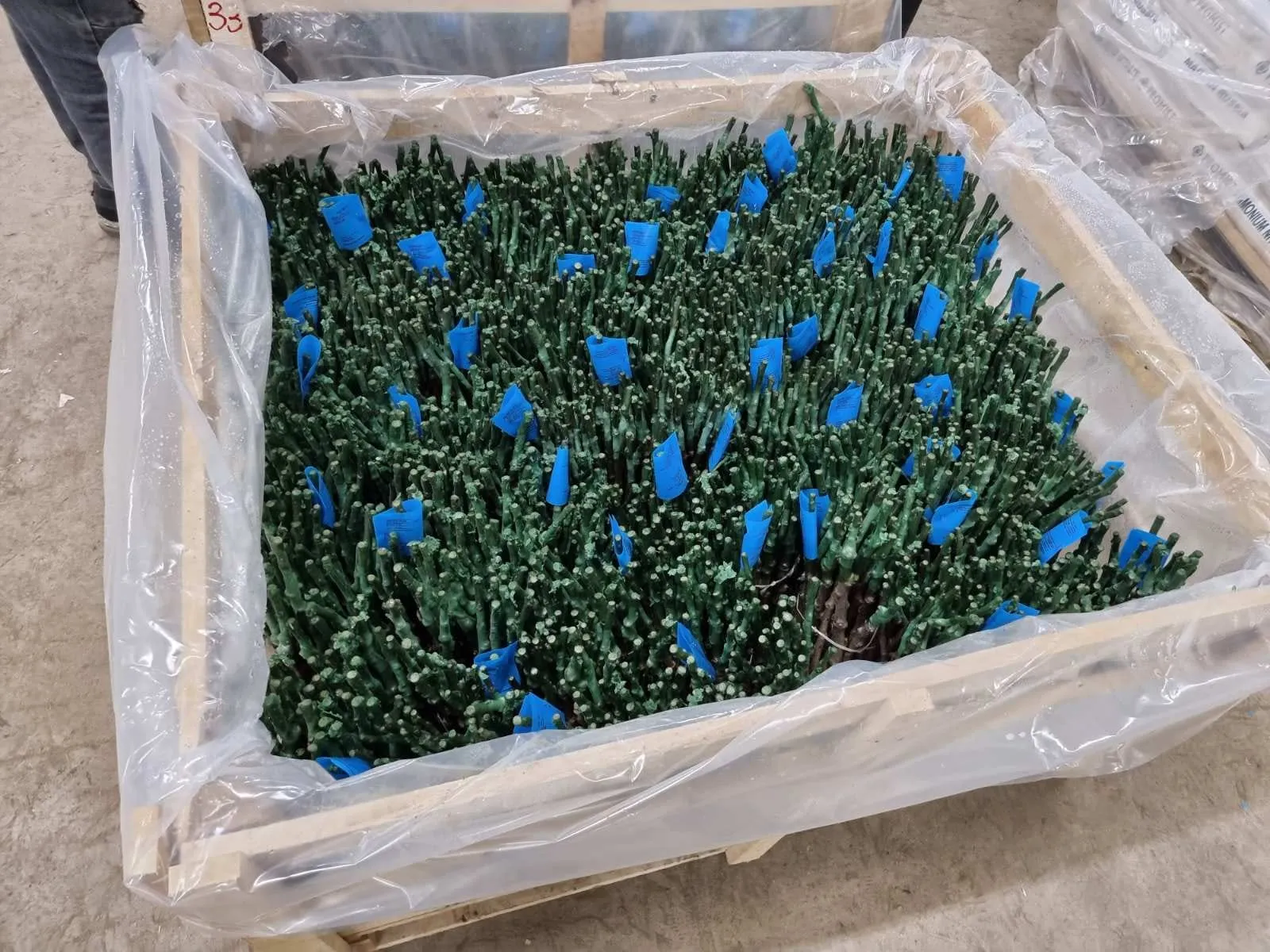
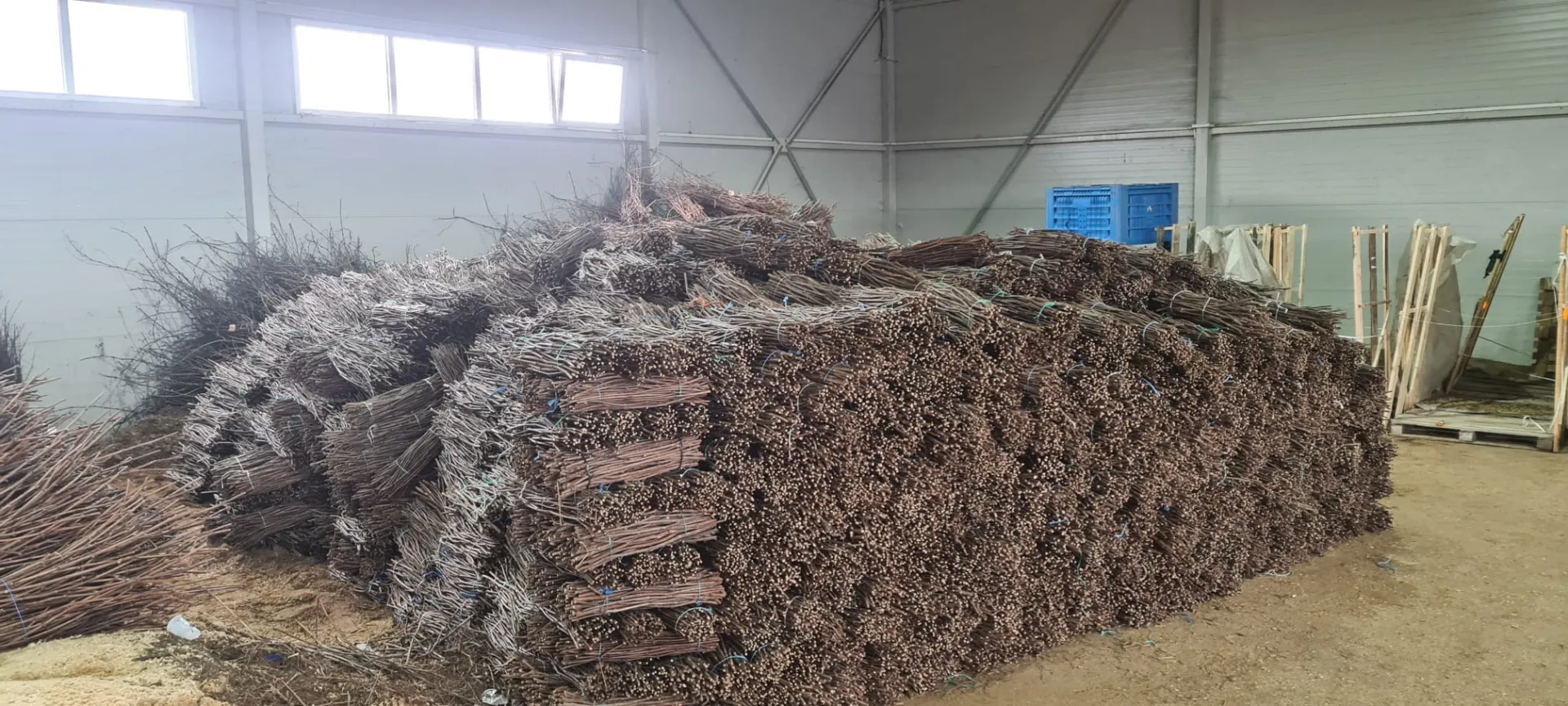
At Kalem Voće Miladinović, we work with each client to understand their site conditions before recommending a rootstock. For commercial apple production in Serbia and the region, M9 T337 remains our primary recommendation for irrigated high-density systems. For growers with heterogeneous soils or limited infrastructure, MM106 offers a more robust entry point. For cherry, we consistently recommend Gisela 6 for its balance of precocity, productivity, and manageable tree size.
Contact us to discuss your specific site and production goals — we are happy to advise before your first purchase.